

Is ethanol in petrol good?
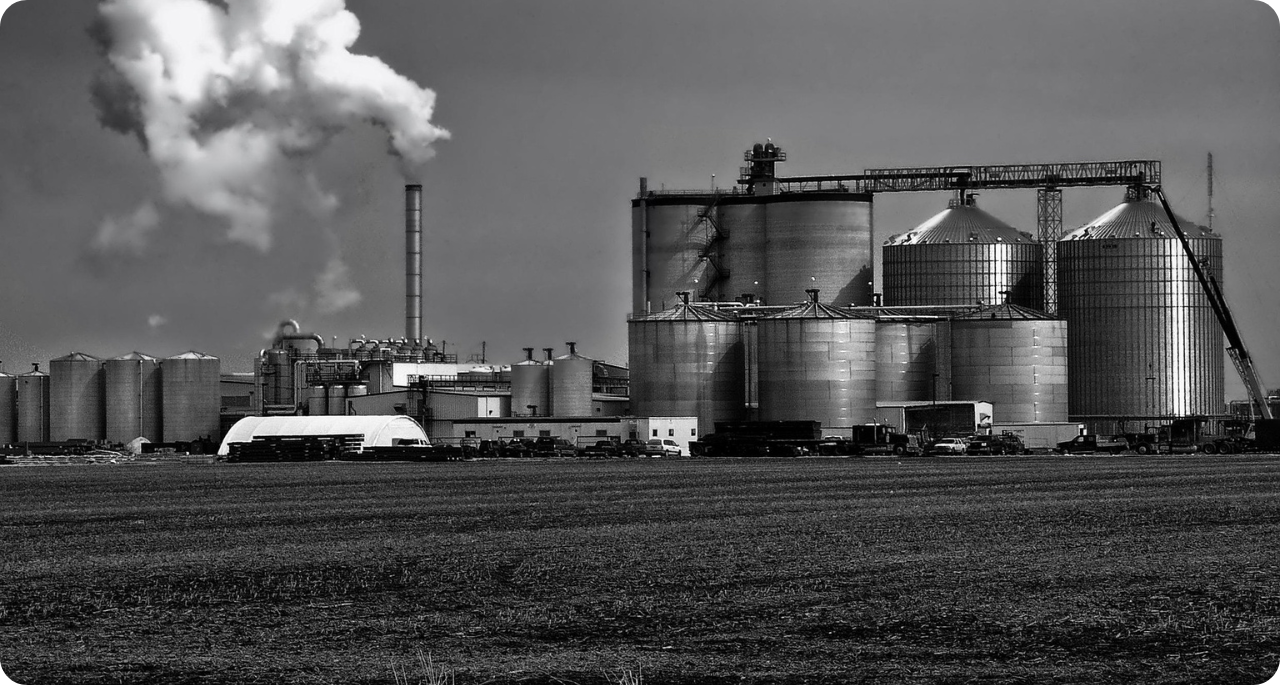
Ethanol-blended petrol (like E10 or E20) is a mixed blessing. It burns cleaner, is plant-based, and has a higher octane rating, making it great for the environment and modern high-compression engines. However, ethanol has lower energy density, which reduces your mileage by 3% to 8%.Key ProsBetter Performance: Ethanol has a high-octane rating (roughly 108 RON), which improves anti-knock properties and smooths out engine acceleration.Lower Emissions. The oxygen content in ethanol promotes more complete combustion, reducing harmful carbon monoxide and greenhouse gas emissions.Economic/Agricultural Benefits: It supports local farmers (who provide the sugarcane or grains) and reduces national reliance on imported crude oil.Key ConsReduced Mileage: Ethanol packs less energy than pure petrol. You will burn through fuel slightly faster, resulting in a noticeable drop in fuel economy.Corrosion & Wear: Ethanol is highly corrosive and can degrade old rubber hoses, gaskets, and plastic components (mainly an issue in vehicles manufactured prior to 2005).Moisture Absorption: Ethanol tends to absorb moisture from the air, which can cause phase separation (water separating from the fuel) if a vehicle is stored for long periods.
Is ethanol good for engines ?
Ethanol has a high octane rating and burns cleanly, making it a powerful, performance-boosting fuel component. However, it is corrosive and absorbs water over time. While modern engines are built to handle up to 10-20% blends, it can damage fuel lines and rubber gaskets in older or small engines (like lawnmowers).The Pro Higher Octane: Ethanol increases the fuel’s octane rating, reducing engine knocking and improving combustion efficiency.Cleaner Emissions: It burns much more cleanly than pure petrol, lowering harmful carbon and hydrocarbon emissions.Engine Cleaning: Ethanol acts as a solvent, which can help prevent carbon buildup in modern fuel-injected engines.The ConsCorrosion and Water Absorption: Ethanol is hygroscopic (absorbs moisture), which can lead to rust in metal fuel tanks and phase separation (fuel and water splitting).Rubber/Plastic Degradation: In older vehicles or machinery, ethanol can swell, crack, or dry out certain rubber hoses, seals, and carburetor parts.Lower Fuel Economy: Ethanol has a lower energy density than pure petrol, which can result in a noticeable drop in gas mileage.Best PracticesModern Cars (Post-2012): Most modern cars are designed to easily run on E10 (10% ethanol) or E20 (20% ethanol). Check your vehicle’s owner manual or fuel cap to see the manufacturer’s maximum approved blend.Small Engines & Older Vehicles: For lawnmowers, motorcycles, boats, and classic cars, it is highly recommended to use ethanol-free fuel or add fuel stabilizers to prevent phase separation and rubber decay.Fuel Tracking: Be aware that your vehicle’s fuel economy may drop by 3% to 5% on a 10% ethanol blend, and by up to 7% on a 20% blend, compared to pure petrol.
Does ethanol reduce engine life ?
In modern vehicles (manufactured post-2001), standard ethanol-blended petrol (up to E10) does not reduce engine life. However, it can damage older vehicles or engines that sit idle for long periods because ethanol is corrosive to incompatible rubber and metal parts and absorbs moisture from the air.Modern Vehicles (Post-2001)Design Compatibility: Engines and fuel systems built in the last two decades are explicitly designed to handle standard ethanol blends. Automakers use robust seals, hoses, and fuel injectors that resist ethanol’s solvent properties.Engine Performance: Ethanol acts as a natural octane booster, reducing engine knocking and allowing for more efficient combustion.Mileage Drop: While engine wear is unaffected, you may notice a slight drop in fuel economy because ethanol has a lower energy density than pure petrol.Older Vehicles & Small EnginesCorrosion & Wear: Pre-2001 vehicles, classic cars, and small engines (e.g., lawnmowers, motorcycles) feature fuel systems incompatible with ethanol. Over time, ethanol degrades old rubber lines, plastic components, and soft metals (like zinc or aluminum), leading to leaks or premature engine wear.Phase Separation: Ethanol acts as a magnet for water. If the vehicle sits unused for long periods, this moisture causes the ethanol and water to separate from the petrol and sink to the bottom of the fuel tank, causing rust and corrosive sludge that damages fuel systems.Mitigating Risks in India (E20 Fuel)With India progressively transitioning toward an E20 blend (20% ethanol), vehicle compatibility is crucial:Check Your Manual: If your car or two-wheeler is older, refer to the manufacturer’s guidelines to see if it is E20 compliant.Fuel Stabilizers: For older or intermittently used vehicles, use a high-quality fuel stabilizer to prevent phase separation and corrosion.
India achieved its 20% ethanol blending (E20) target in 2025, five years ahead of schedule. Nationwide, all regular petrol is E20 with a 95 Research Octane Number. The transition boosts energy security, lowers emissions, and supports farmers, though consumer concerns over engine compatibility remain.Key Takeaways & Conclusion:Environmental Impact: E20 burns cleaner, reducing carbon emissions by roughly 30% compared to traditional fuel.Engine & Mileage: While some older engines not tuned for E20 might experience slight efficiency drops or part corrosion, modern BS-VI engines are fully calibrated for E20.Economic Benefit: India has saved over ₹1.1 trillion in foreign exchange and reduced its massive reliance on imported crude oil.Future Outlook: India is currently evaluating higher blends like E25 and E85, and expanding flex-fuel networks, while assuring consumers of a calibrated rollout and continued availability of maintenance support.
Q1. Is all petrol in India E20?
Almost all petrol sold in India is now E20 (blended with 20% ethanol and 80% petrol). The rollout became the nationwide standard at fuel pumps across the country.
Standard and Premium Fuels: Regular petrol (such as IndianOil’s Xtragreen), premium fuels (like HP Power, IOC XP95, and BP Speed), and normal variants are all E20 blends. Ethanol-Free Exceptions: The only widely available ethanol-free petrol (E0) is 100-octane premium fuel, such as IndianOil’s XP100, which is expensive and generally sold at select stations. Vehicle Compatibility: Since April 2023, all new vehicles sold in India are mandated to be E20-compliant. For older vehicles, it is best to check your owner’s manual to verify fuel system and engine component compatibility.
Q2. How much ethanol in petrol in india ?
Regular and premium 95-octane petrol in India contains 20% ethanol (a blend known as E20). If you want ethanol-free fuel, you will need to purchase premium 100-octane petrol (such as IOCL’s XP100), which is typically only available at select metropolitan fuel pumps.Depending on your fuel type, the ethanol content breaks down as follows:Regular Petrol & 95-Octane (e.g., XP95): ~20% ethanol. India achieved its nationwide E20 target early, meaning almost all standard pumps dispense this mixture.100-Octane Petrol (e.g., XP100): Effectively 0% ethanol.Higher Blends (e.g., E85): India has started rolling out higher ethanol blends (E85) at select public pumps for compatible flex-fuel vehicles, which is priced around ₹20 cheaper per litre.For most standard passenger and two-wheeler engines manufactured after April 2023, the vehicle is calibrated for E20. You can verify your specific vehicle’s compatibility directly through the Society of Indian Automobile Manufacturers (SIAM) portal.
Q3. Is E20 cheaper than petrol?
No, E20 fuel is generally not cheaper than unblended petrol; it is typically sold at the same retail price. While ethanol was once cheaper to produce, rising procurement costs have made it nearly identical to the base cost of refined petrol. Furthermore, your actual out-of-pocket expenses are effectively higher for the following reasons. Lower Fuel Efficiency: Ethanol contains less energy per unit than petrol. Using E20 can decrease your vehicle’s mileage by roughly 3% to 6% compared to pure petrol, meaning you will need to refuel more frequently to cover the same distance.
Q4. Is 100% ethanol fuel possible?
Yes, 100% ethanol fuel (often called E100 or neat ethanol) is highly possible and is actively used in several countries, including Brazil and India, to power flex-fuel vehicles and specific motorsports.
However, “E100” is rarely absolutely pure; it typically contains 93 ÷ 95% ethanol and about 5 ÷ 7% petrol or other additives. These additives are crucial to improve fuel stability, assist with cold-weather starting, and add visibility to the flame in case of a fire. Running engines on high-ethanol or E100 fuel requires specific engineering adaptations:- Corrosion Resistance: Ethanol absorbs moisture and is corrosive to certain metals and rubber. Compatible engines need specialized fuel lines, injectors, and fuel pumps. Engine Calibration: Because ethanol contains less energy per unit volume than petrol, engines require larger fuel injectors and specific software (in the Engine Control Unit) to adjust the air-fuel mixture
Q5. Which petrol pump gives less ethanol?
Nationwide mandates mean almost all regular petrol pumps now dispense E20 petrol (80% petrol, 20% ethanol). However, if you are looking for fuel with little or no ethanol, your only 100% pure (E0) options are premium 100-octane fuels like IndianOil XP100 and HP poWer100. These are available at select pumps for roughly ₹160 per litre. For slightly less ethanol than the standard E20 without paying for 100-octane, consider the following alternatives, Private Sector Fuels: Independent lab tests reveal that private providers like Shell and Jio-BP , sometimes offer slightly lower ethanol blends, depending on local blending logistics. For example, tests showed Shell V-Power contained around 15.1% ethanol, while Shell Regular had 16.7%. High-Octane Alternatives: IndianOil’s XP95 has been noted by consumers and experts to contain a lower ethanol blend (closer to 10-12%), though prices are still higher than regular fuel.