
“What is so special about Kashmir” ?
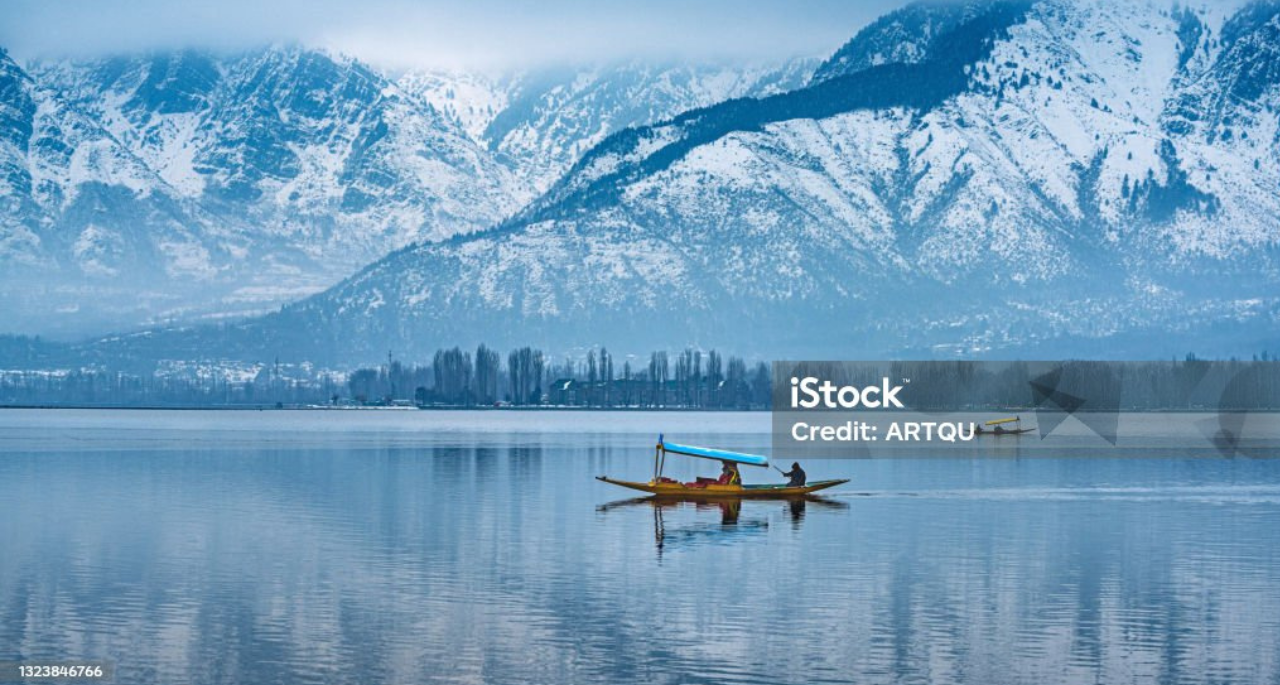
Kashmir is widely celebrated as “Paradise on Earth” due to its breathtaking landscapes, pristine lakes, and rich cultural heritage. Its unique allure lies in its unmatched natural beauty, strategic geopolitical importance, and status as a profound spiritual center in South Asia. Breathtaking Scenery Dramatic Beauty: Surrounded by the majestic Himalayas and Pir Panjal ranges, the region features lush valleys, dense pine forests, and wildflower meadows.
Crystal Waters: It is famous for pristine water bodies like the iconic Dal and Nageen lakes in Srinagar, where colorful, traditional Shikara boats and floating houseboats glide. Distinct Seasons: Kashmir transforms dramatically throughout the year—from blooming spring tulips to fiery autumn foliage and serene, snow-covered winters.
What is the culture of kashmir?
Kashmiri culture is a vibrant, mountainous tapestry blending centuries of ancient Hindu, Buddhist, and Islamic influences. Centered in the Himalayan valleys, it is internationally renowned for its intricate handicrafts (like Pashmina shawls), warm hospitality, and the traditional Wazwan feast, all of which reflect the region’s rich Central Asian and Persian heritage.Cuisine: The traditional multi-course Wazwan features dishes like Rogan Josh and Goshtaba. Meals are accompanied by Noon Chai (salted pink tea) or Kehwa (spiced green tea) brewed in a copper Samavar.Handicrafts: Kashmir is famous for its intricate papier-mâché, hand-knotted carpets, and warm Pashmina and Shahtosh shawls.Music & Arts: Folk arts such as Rauf (a lyrical dance performed by women) and Sufiana (classical Sufi music) remain core to local celebrations.Attire: Traditional outfits are designed for the cold climate, typically consisting of the Pheran (a loose, beautifully embroidered wool or tweed cloak) paired with the Kasaba (a traditional headwear for women).Spiritual Heritage: Known as Peer Vaer (the land of Sufis and saints), Kashmir’s history is rooted in a deep syncretic blend of spiritualism, literature, and philosophy.
What is the most famous Kashmiri dish?
The most famous Kashmiri dish is Mutton Rogan Josh. This iconic, slow-cooked lamb or mutton curry features a fiery red, aromatic gravy made with browned onions, yogurt, and spices like fennel and Kashmiri red chilies. Beyond this global favorite, Kashmiri cuisine is famous for its elaborate royal feasts and unique ingredients.
Wazwan: The crown jewel of Kashmiri culture, this is a 36-course ceremonial feast (often featuring meat-based dishes) prepared by master chefs known as wazas. Gushtaba: Often called the “dish of kings,” these are finely pounded, melt-in-the-mouth mutton meatballs simmered in a velvety, spiced yogurt gravy. Dum Aloo: For vegetarians, this is the ultimate classic. Baby potatoes are slow-cooked in a rich, spiced yogurt gravy. Kahwah & Noon Chai: Wash down the heavy meals with either Kahwah (an aromatic, saffron-infused green tea with almonds) or Noon Chai (the famous savory, pink salted tea).
Whether you are seeking rich meaty stews or vegetarian delicacies, the cuisine leans heavily on aromatic spices, saffron, and dairy rather than heavy heat.
Ultimately, what makes Kashmir truly special is how seamlessly these elements intertwine. It is not just a destination of visual splendor, but a sensory experience—where the sight of snow-capped peaks meets the aroma of saffron-infused Kahwah, the intricate warmth of a handwoven Pashmina, and a history steeped in deep spiritual harmony. Whether through its breathtaking landscapes, its rich multi-faith heritage, or its legendary culinary feasts, Kashmir leaves an indelible mark on everyone who encounters it, truly living up to its reputation as Paradise on Earth.
Frequently Asked Questions (FAQ)
Q1. Why is Kashmir called “Paradise on Earth”?
The title is historically attributed to the Mughal Emperor Jahangir, who was so captivated by the valley’s dramatic snow-capped peaks, lush green meadows, and pristine lakes that he stated if there is a heaven on earth, it is here.
Q2. What is the best time of year to visit Kashmir?
Kashmir is a year-round destination, but the best time depends on what you want to experience , Spring (March to May): Ideal for witnessing the blooming tulips and lush green valleys. Summer (June to August): Perfect for pleasant weather and escaping the heat of the plains. Autumn (September to November): Best for seeing the golden and fiery orange Chinar foliage. Winter (December to February): A dream come true for snow lovers and winter sports enthusiasts in places like Gulmarg.
Q3. What are the must-try items in a traditional Wazwan feast?
While a full Wazwan can consist of up to 36 courses, the ultimate highlights include Mutton Rogan Josh (aromatic red curry), Gushtaba (velvety meat meatballs in yogurt gravy), Rista (minced meat balls in a fiery red gravy), and Tabak Maaz (crispy, fried lamb ribs).
Q4. What is the difference between Kahwah and Noon Chai?
Kahwah is a sweet, aromatic green tea infused with exotic saffron, whole spices (like cardamom and cinnamon), and crushed almonds. Noon Chai (also known as pink tea) is a traditional savory tea brewed with special tea leaves, milk, and a pinch of baking soda and salt, giving it a distinct pink hue.
Q5. What authentic souvenirs should I buy from Kashmir?
Look for world-renowned Pashmina shawls, hand-knotted silk carpets, intricate papier-mâché decorative items, carved walnut wood crafts, and premium local produce like Kashmiri saffron and organic walnuts.
Q6. What is a Pheran?
The Pheran is the traditional, loose-fitting unisex cloak worn in Kashmir. Typically crafted from heavy wool or tweed and adorned with intricate Tilla embroidery for women, it is designed to keep locals warm during the harsh Himalayan winters.